
Getting feedback from those using our services is central to how RISE learns and improves. We believe the people closest to the experience of violence, healing and change hold the most valuable insight into what works, which is why we support everyone who completes a RISE programme to fill in an evaluation form.
Between 1 July 2025 and 30 June 2026, 165 evaluation forms were completed across the Non-Violence, Safety, Youth & Children, and Dad's Programmes, along with the Trauma Service and Brief Intervention. Of those recording a referral pathway, 31.4% were self-referred and 27.3% identified as Māori. The results tell a consistent story: people working with RISE feel safer, they leave with tools they actually use, and they feel respected while they do it.
By the numbers
98.0% felt safer after working with RISE
96.5% said their family was safer
97.5% learned new skills for relationships, and 96.2% for parenting
96.9% felt confident using their new skills
98.1% said their overall wellbeing had improved
97.4% reported using less violence themselves; 95.1% experienced less violence or abuse directed at them
99.4% felt safe and supported in every interaction with RISE
98.7% felt culturally safe
89.5% had completed a safety plan — rising to 93.2% within the Non-Violence and Safety
These figures draw on responses across all programmes, though the sample is weighted toward the Non-Violence Programme which had 106 responses.
Feeling safe at home
For many participants, the clearest sign of change was a quieter, calmer household.
“My understanding of situations and myself has changed. I have more knowledge and skills to respond to challenging situations. I am taking responsibility for my own actions … I feel safe, supported and heard … It’s been the best support I have ever had … Just thank you. Thank you for not giving up on me.” Non-Violence Programme participant, Nelson
Tools that travel home with people
The most consistently mentioned outcome was a tool or habit that had been learnt or picked up, for example; a safety plan on the fridge or whiteboard, or a 1-to-10 scale for naming and feeling an emotion before it takes over.
“RISE has helped me recognise patterns and regulate emotions by using charts to explain at what points the emotions vary from 1-10 and how certain levels may affect your thinking and emotions. I’ve learnt how to recognise my feelings before it becomes too late and explosive.” — Non-Violence Programme participant, Nelson
A safe, non-judgemental relationship
Across nearly every programme, participants named the person who worked with them directly, and described feeling heard rather than judged as the thing that made everything else possible.
“I felt heard, respected and safe to express how I truly felt. No judgement … Benita was amazing at helping me through everything, offering ways for me to move through my feelings and resentment. I always felt like I could trust her with my emotions.” — Safety Programme participant, Nelson
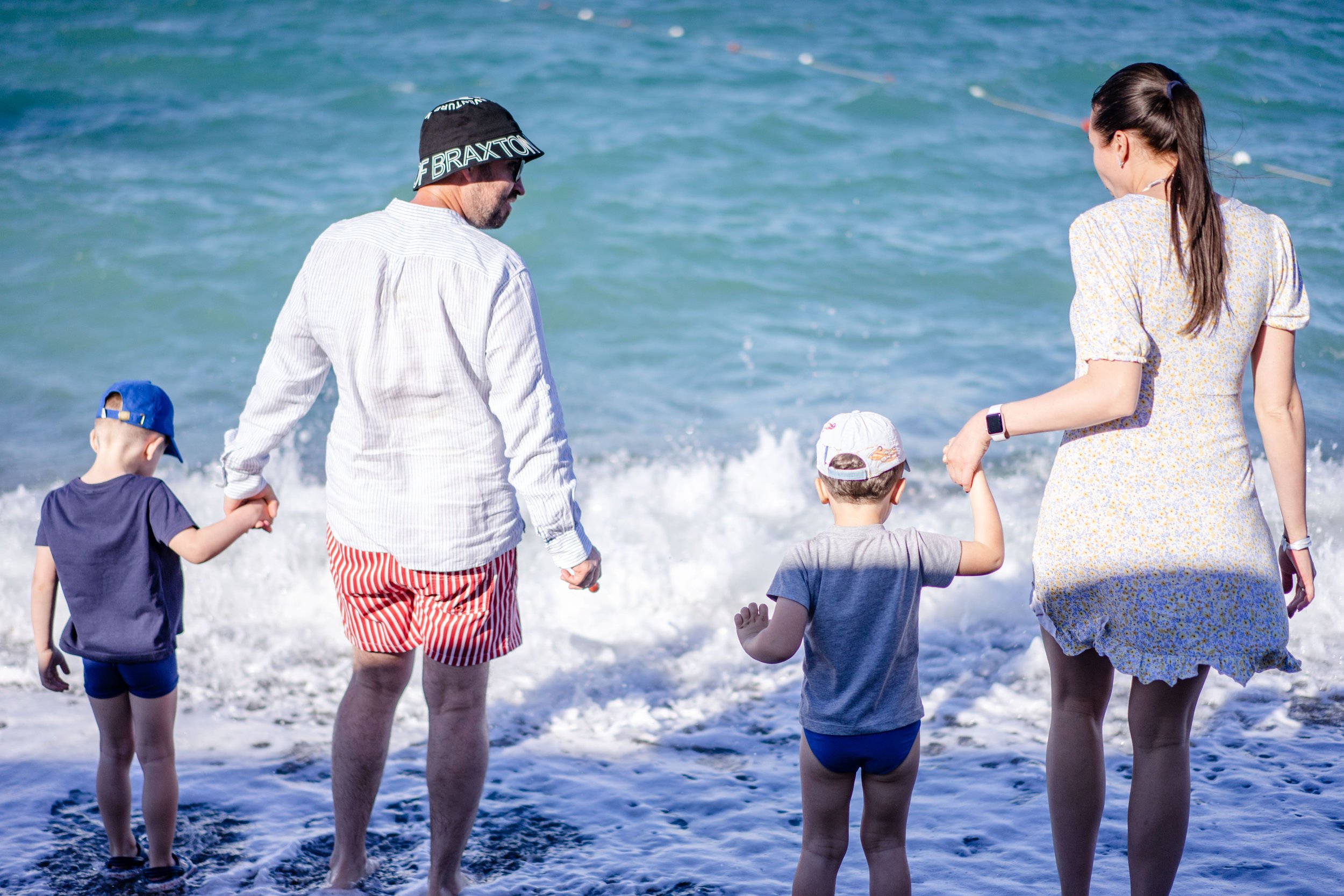
The results of RISE’s client evaluation forms tell a consistent story. People working with RISE feel safer, they leave with tools they actually use, and they feel respected while they do it. Photo: Pexels.
A trusted adult, outside the family
In the Youth and Children Programme, young people described the value of a confidential adult relationship that wasn't a parent: “I could come in and tell you things that I don't want to tell mum and dad. I feel safe to talk about whatever was needed. It helped me control myself better, and everyone here is super nice and caring.” — Youth and Children Programme participant.
Stronger, more connected fathers
Dad's Programme participants spoke about the parenting benefit of hearing other fathers' stories in a group setting: “I am able to use more positive parenting skills that benefit my daughter … I recommend RISE to people needing to make positive changes that need good support. Highly recommend.” — Dad’s Programme participant.
A call from clients themselves
Two Safety Programme participants, independently, asked for RISE’s education to reach people earlier, through schools:
“Everyone should come! These courses should be available as part of high school. RISE services are an essential part of wellbeing services.” — Safety Programme participant, Motueka
What RISE’s evaluation tells us
Reading across the responses, a clear pattern emerges: change at RISE isn't driven by insight alone. It comes from a relationship where people don’t feel judged, combined with simple, concrete tools, such as a scale, a plan, a phrase, that participants can draw on long after their work with RISE has ended.
They take what they learn at RISE and use those skills at home, or under pressure, to help keep their partners, whānau and the community safe.