
Strengthening Prevention Through Conversation: Jo Robertson Inspires Whakatū
Prevention Starts Early: How RISE's Hikitia! Programme Is Helping Build Safer Communities Across Te Tauihu (top of the south)
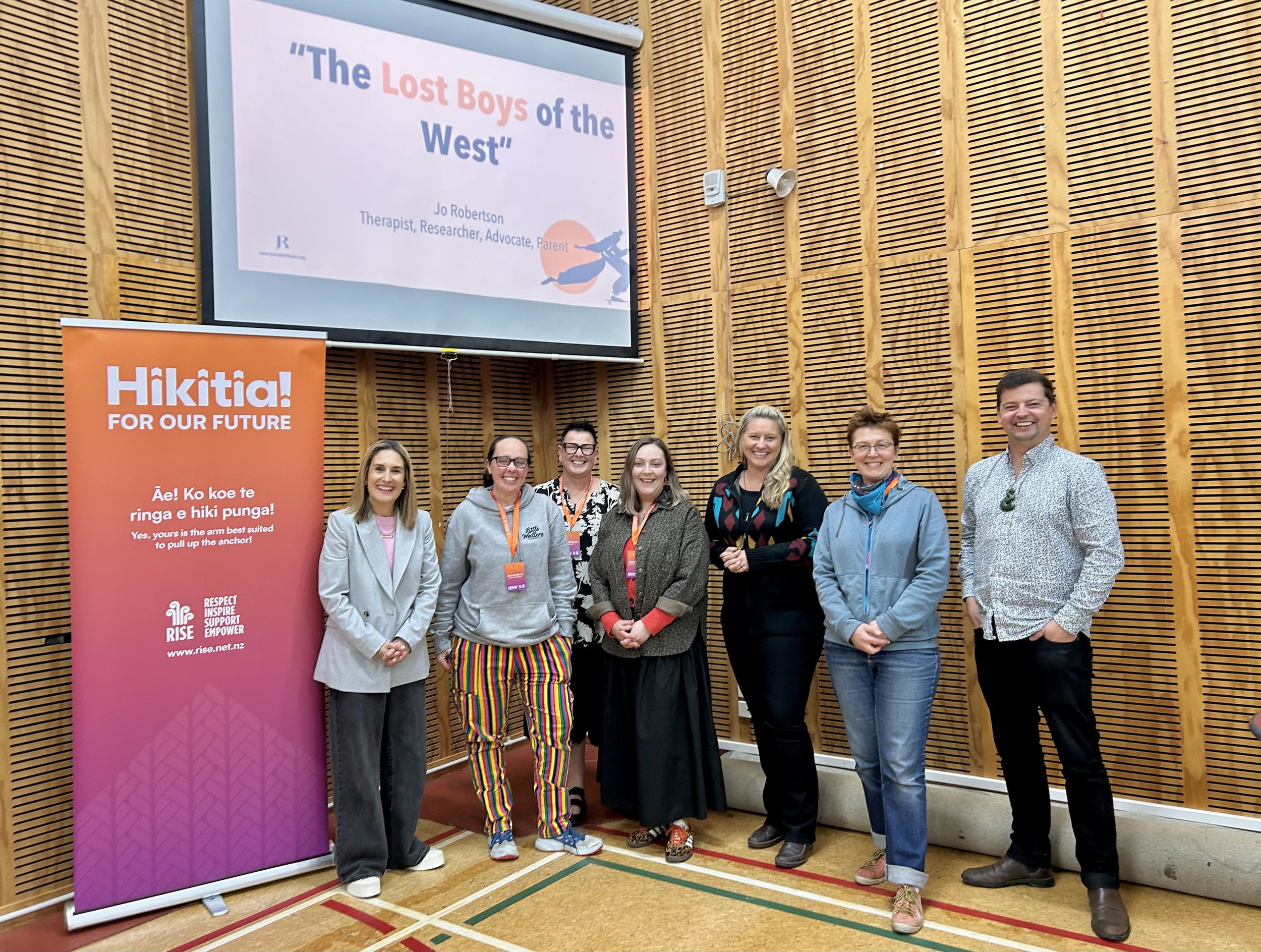
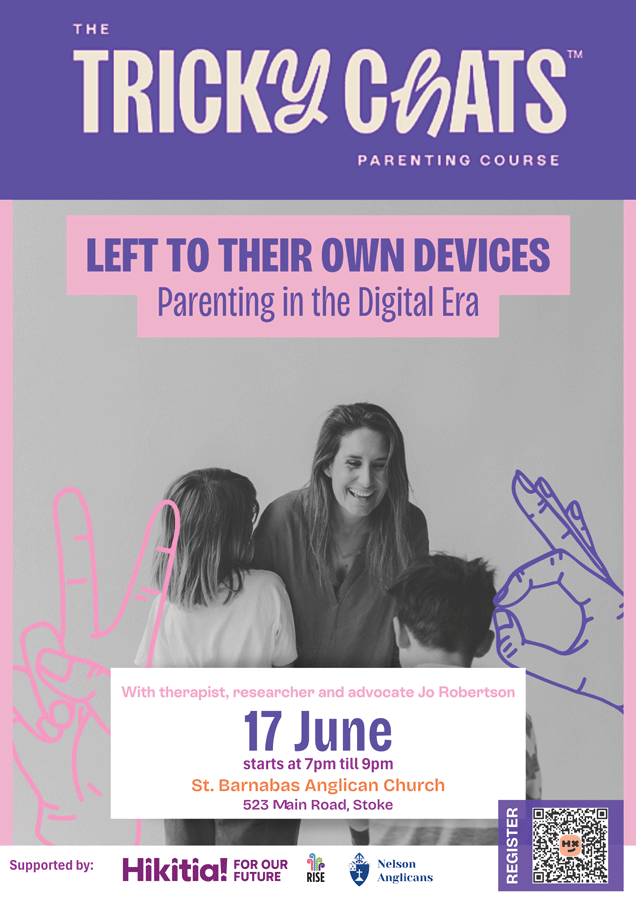
Hikitia! Te Tauihu, in partnership with the Anglican Diocese of Nelson, welcomed sex therapist and educator Jo Robertson to Whakatū for two community events: The Lost Boys of the West on 16 June and Left to Their Devices on 17 June.
Together, the events drew more than 300 attendees, reflecting a strong community appetite for practical conversations about raising young people in an increasingly complex world.
The events were part of an ongoing partnership between RISE’s prevention mahi Hikitia! and the Anglican Diocese of Nelson, building on earlier learning about online safety, relationships and prevention within communities of faith. Together, the organisations are helping strengthen the protective factors that support tamariki, rangatahi and whānau to thrive.
Miranda Warner, Community Mobiliser for Hikitia! Te Tauihu, said:
“We were delighted to partner with the Anglican Diocese of Nelson to host these events.
“Earlier this year, we worked with the Nelson Anglicans to facilitate learning about online safety regarding sex and relationships for tamariki and rangatahi. This approach supports prevention as a core practice within communities of faith, rather than something imposed from outside.
“Welcoming Jo Robertson to our rohe (region) enabled us to widen these learning opportunities for our local communities, regardless of faith or spirituality.”
For Amanda Poil from Nelson Anglicans, bringing Jo to Whakatū was driven by a deep concern for the wellbeing of families navigating rapid social and technological change.
“I feel that the topics Jo speaks on are very important and highly relevant for what families are navigating today. I desire to see families flourishing and walking together in health, physically, mentally, emotionally, spiritually, and relationally.
As a mum of three teenagers, I am personally aware of the impact screens are having on this generation. I hope that through ongoing conversation and safe spaces, we can support one another to thrive in every way possible.”
Too often, conversations about online safety are framed through fear, risk and harm. Drawing on her expertise as a sex therapist, alongside her lived experience as the mother of three boys, Jo brought warmth, humour and authenticity to what can often feel like difficult conversations.
Rather than focusing solely on risk, she encouraged a prevention approach centred on building young people's capability through what she calls her "dream four" protective factors: media literacy, healthy role modelling, empathy, and emotional regulation. Jo suggests that together, these help young people think critically, build healthy relationships and respond safely to challenges online.
She also encouraged communities to create the everyday conditions that help young people thrive.
“We need to offer young people a mixture of boundaries, robust conversation, and empathy for their stage of life.”
Jo spoke about practical boundaries, including delaying independent device access and keeping devices out of bedrooms, while encouraging honest conversations about pornography, consent, gender, racism, and relationships.
She also reminded attendees that mistakes are part of growing up and that responding with empathy and connection creates opportunities for learning and trust.
Her presentation The Lost Boys of the West explored the challenges facing boys and young men in today's social and digital landscape while offering a hopeful vision for the future.
“Looking out at a room full of people who’ve taken time out of their lives to turn up, skill up, and potentially parent differently, that never gets old. People want to do better for their kids. That’s enormously encouraging.”
Jo reflected that boys need healthy relationships modelled around them, meaningful responsibility and belonging, alongside honest conversations about sex, consent and respectful relationships.
When communities create space for honest conversations, strengthen protective relationships and equip whānau with practical tools, they do more than respond to harm - they help prevent it. That is the heart of prevention mahi, and the future RISE’s ACC funded prevention mahi Hikitia! continues to build alongside communities across Te Tauihu.
Dr Nikki Evans, Manager of Hikitia!, said:
“Every child and young person deserves to grow up surrounded by the relationships, conversations, and support that help them thrive. Prevention is not something that begins when harm occurs — it begins much earlier, in the everyday moments where whānau, caregivers, educators, and communities build trust, connection, and confidence.
Events like these help turn difficult topics into practical conversations. By strengthening people’s knowledge, skills, and confidence, we are helping create the conditions that support healthy development and prevent family violence, sexual violence, and child sexual abuse before they occur.”
Jo's closing message was both simple and powerful: give young people responsibility, keep them engaged in meaningful activities, and keep talking with them.
When communities create space for honest conversations, strengthen protective relationships and equip whānau with practical tools, they do more than respond to harm - they help prevent it. That is the heart of prevention mahi, and the future RISE’s ACC funded prevention mahi Hikitia! continues to build alongside communities across Te Tauihu.